Why land and agricultural records appear in immigration cases
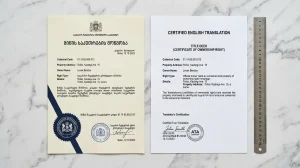
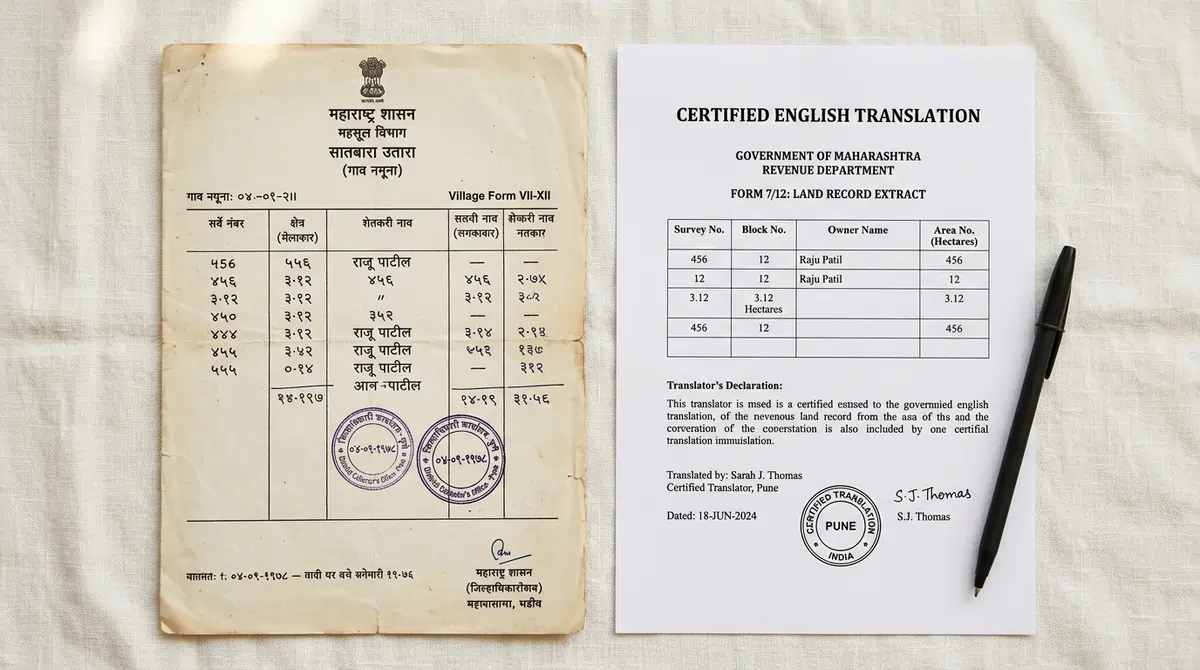
In many parts of the world — including rural India, Mexico, the Philippines, Nigeria, and Central America — land ownership is documented through agricultural records, land registry extracts, patta documents, ejido certificates, and similar government-issued documents rather than traditional property deeds. When these records are used as evidence of assets, identity, or residence in US immigration cases, they must be certified-translated into English.
Immigration cases where land records are submitted
Applications where land records are commonly submitted
- Form I-864 Affidavit of Support — Foreign land holdings can supplement a sponsor’s income as assets
- EB-5 Investor Visa Source of Funds — Proceeds from land sales used as investment capital
- Continuous Residence Evidence — Land records showing long-term presence in a specific location
- Asylum and Refugee Cases — Agricultural land records help establish identity and community ties
- Family-Based Petitions — Land records used as secondary identity evidence in rural communities
- NACARA and Special Immigrant Programs — Residence evidence for Central American and other applicants
Country-specific land record formats
| Country | Document type | Notes |
|---|---|---|
| India | Patta, Khata, 7/12 Extract | Issued by state land revenue departments; often in Hindi, Telugu, Tamil, or Kannada |
| Mexico | Ejido Certificate | Issued to communal agricultural community members; may be handwritten with archaic legal terminology |
| Philippines | OCT / TCT | Original Certificate of Title and Transfer Certificate of Title from the Registry of Deeds |
| Nigeria | Certificate of Occupancy | Issued by state governments under the Land Use Act |
| Pakistan | Fard / Mutation Record | From Patwari offices; often in Urdu or Punjabi |
| Bangladesh | Khatian / Dag Record | From the Settlement Office; in Bengali |
What must be translated in a land record
Required translation elements
- Name of the registered owner exactly as recorded — including variations in local scripts
- Survey number, plot number, or parcel identifier
- Total land area — in local units such as acres, bigha, or hectares — with the unit clearly identified
- Location of the land — village, taluk, district, and state or province
- Nature of ownership — freehold, leasehold, agricultural, or residential classification
- Any encumbrances, mortgages, or cultivation tenancies noted in the record
- Issuing authority name and date of record
Translating regional language land records
Why land records require specialist translators
Land records from rural areas are among the most challenging documents to translate for immigration purposes. They frequently contain archaic legal terminology, local measurement units, regional script variations, and handwritten annotations that require specialist knowledge. Our team includes translators who specialize in regional language land documents and are experienced with the specific formats used in each country’s land registry system.
Languages we translate land records from
- Hindi
- Urdu
- Bengali
- Tamil
- Telugu
- Kannada
- Punjabi
- Tagalog
- Spanish
- French
- Yoruba
- Igbo
Get your land records translated
Upload your foreign land records and agricultural documents at uscis-translations.com and receive a certified English translation accepted by USCIS. Standard turnaround is 48 hours. Contact us for specialist regional language cases.
Need USCIS-Approved Certified Translation?
Fast, accurate & USCIS accepted
- 24-Hour Turnaround
- 100% Acceptance Rate
- Notary Available